This syndrome is largely underdiagnosed; on average 93% of women and 82% of men are affected by a non-diagnosed mild to severe syndrome.
This is due to the fact that an excessive daily drowsiness, the main OSAS symptom, is generally very hard to be perceived or measured, because it's often seen as weariness. Usually it's the partner the one who notices that there's a problem, mainly because irritated and worried by a heavy and constant snoring, accompanied by breathing pauses.
The clinical investigation should be focusing on breathing disorders, sleeping quality, the patient's functional status in the morning and during the day and the risk factors.
Snoring and daily excessive drowsiness are the most common symptoms.
Snoring is a symptom that affects a very large number of people: 35 to 45% of men and 15 to 28% of women. Since it's so common, it's hardly predictive, but it becomes more specific when breathing pauses appear together with a sense of suffocation.
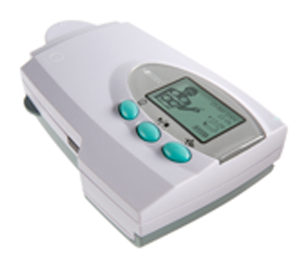
The gold standard for sleep apnea diagnosis is represented by polysomnography, a test run through a machine (polysomnogram) that can detect apneas and hypopneas, classify them between central, obstructive or mixed, show desaturation levels and alterations of the cardiac rhythm, recognize the sleep phase in which they occur. However, to diagnose sleep apnea it's enough to have a machinery for cardiac-respiratory monitoring (as shown in the AIMS -Italian Association for Sleeping Medicine- and AIPO -Italian Association for Hospital Lung specialists- guidelines) that can be easily used by the patient at home and it registers all the parameters of the polisomnogram, exception made for the electroencephalography.
This technique can diagnose sleep apnea and its stage:
Low level: the index of obstructive apnea or hypopnea is between 5 and 15 per sleeping hour, the oxygen saturation is at least 86% and there's a minimum morning disability. A slight drow
siness can occur while watching TV or reading a book in a quiet room or while being in moving vehicle as passenger. This kind of drowsiness can occur now and then, not necessarily every day.
Mild level: the index of obstructive apnea or hypopnea is between 15 and 30, the oxygen saturation is between 80% and 85%. Episodes of drowsiness occur every day, usually during activities that require a low level of concentration, such as concerts, movies, theatre shows, group works and while driving a vehicle. The symptoms of medium drowsiness, with the consequent tiredness and lack of focus, can alter the person's social or professional life.
High level: the index of obstructive apnea or hypopnea is above 30, the oxygen saturation is 79% or less. The episodes of drowsiness occur every day during physical activities that require a limited or medium focus. The symptoms of high drowsiness can occur while having lunch, a conversation, while walking, driving, while doing physical activities. They can lead to serious social and professional problems.
The sleep quality is not linked to the number of apneas per sleeping hour.
The level of drowsiness can be determined objectively (but it's expensive and requires a big amount of time) and subjectively, through the use of standard questionnaires, that the patient can take on his own.
An example can be the Epworth Sleepiness Scale (EES). It counts 8 questions, each of which has a 0 to 3 score; a final score of 7 or more indicates excessive daily drowsiness (but not an actual diagnosis). Estimate your level of drowsiness:
Keep on reading
>Therapies for apnea