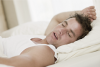
The consequences of sleeping apnea can be very bad if not treated and the cardiovascular
system is the one which is mainly affected: there's an increase in the lunges’s pressure which is then transmitted to the right side of the heart itself.
The heart must make a big effort to bring the blood level - thus the oxygen level- to normal rates to compensate this situation of cerebral hypoxia generated by the apnea. Directly linked to this effort, there's a sudden and turbulent increase of the blood flow at every recover after the end of the apnea.
Since apneas occur from tens to hundreds of times in one night, it's obvious that the chances for a thrombus or an embolus to originate inside an artery are very high and that's the reason why people suffering of sleep apnea have 50% more chances of having cerebrovascular accidents (strokes) or heart attacks.
People suffering of sleeping apnea can face:
- HEART ATTACKS +50%
- STROKES +50%
- SEXUAL IMPOTENCE
- CAR ACCIDENTS
- ACCIDENTS AT THE WORK PLACE
- DAILY DROWSINESS
- DIABETES MELLITUS
- BAD HEADACHES
- CHRONIC TIRENESS
- ARTERIAL HYPERTENSION
The OSAS (Obstructive Sleep Apnea Syndrome) occurs often in people having a type 2 diabetes or being obese, this being confirmed by many epidemiologic and clinic studies. This syndrome has gained more and more importance recently, since it has been shown that there is an existing correlation between it and the sudden death during the sleeping period or the higher rate of cardiovascular diseases such as heart attack and cerebral-vascular complications.
Until now sleeping was seen as fundamental to recuperate cerebral functions. But it has been shown that sleeping also regulates the metabolism and the endocrine glands, the immunity function and the cardiovascular variables. Also, the effect of a 60-h sleep deprivation is linked to a higher insulin resistance and more recently it has been shown that a 4-h night sleep for 6 consecutive nights in young healthy cadets leads to a lower glucose resistance. The obvious conclusion of the studies is that a chronic sleep deprivation does contribute to pathologies in which insulin resistance is extremely important, such as diabetes and arterial hypertension. In fact, several studies have shown that people affected by type 2 diabetes mellitus are more likely to be also affected by sleep apnea and sleep related breathing disorders. Another perspective study carried out on male patients between 30 and 69 years of age, showed that snoring was linked to a higher incidence of diabetes mellitus.
Keep on reading :
> Apnea diagnosis